lesson 10: Pulp Vitality Testing
Lesson 10: Pulp Vitality Testing
Thermal testing
Thermal tests evaluate the pulp’s response to heat or cold and help diagnose pulp vitality. The response can show if the pulp is normal, inflamed, or necrotic.
Cold Test
Purpose: To check the tooth’s response to cold stimuli and assess the health of the pulp.
Procedure
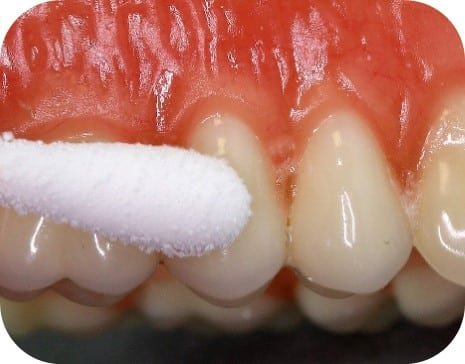
- A cold substance, such as an ice stick, cold spray (e.g., ethyl chloride), or a cotton pellet soaked in cold material, is applied to the tooth’s crown.
- The patient is asked to report the sensation.
Interpretation of the sensation
- Normal Response: Sharp pain that disappears at once after the cold stimulus is removed. This indicates a healthy pulp.
- Reversible Pulpitis: Pain that lingers for a few seconds after removing the cold stimulus. Inflammation is present but reversible.
- Irreversible Pulpitis: Intense, prolonged pain that continues after stimulus removal. Severe inflammation → needs RCT.
- Necrotic Pulp: No response at all → pulp is dead / non-vital.
Heat Test
Purpose: To check the tooth’s reaction to heat and help differentiate pulp conditions.
Procedure
- A heated instrument or material (e.g., heated gutta-percha) is applied to the tooth.
- The patient reports the sensation.
Interpretation of the sensation
- Normal Response: Sharp pain that quickly dissipates once heat is removed.
- Irreversible Pulpitis: Severe pain that lasts longer than normal or heightened heat response.
- Necrotic Pulp: No pain or a dull, non-reactive response → dead pulp.
Electric pulp testing (EPT)
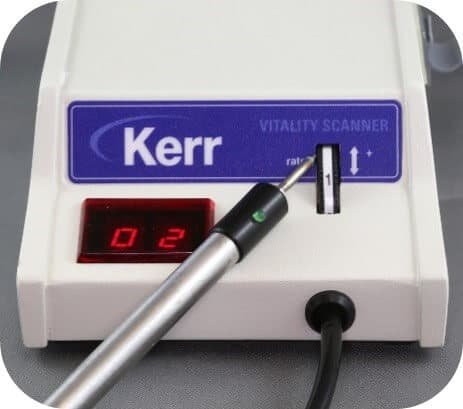
The electric pulp test uses electrical current to assess pulp vitality. It is especially useful for teeth with no visible response to thermal tests.
Procedure
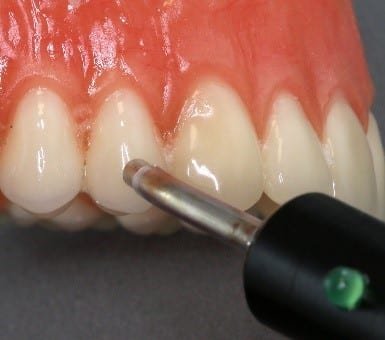
- A small electrical current is passed through the tooth using a probe/sensor.
- The current is adjusted and the patient reports whether they feel a sensation.
Interpretation
- Normal Response: sharp, brief sensation → pulp is alive and functional.
- Non-Responsive (Necrotic Pulp): no sensation → pulp is necrotic or dead.
Limitations
- Teeth with calcified canals or recent trauma may show a false negative (no response even if vital).
- False positives can occur when current affects neighboring teeth.
Factors influencing EPT results
- Recent Trauma: delayed response even if pulp is healthy.
- Calcification: calcified/narrow canals may not respond well.
- Medication: analgesics can suppress response → false negatives.
- Tooth Age: older teeth may have reduced vascularity → lower responsiveness.
- Previous RCT: no pulp tissue → no response expected.
Limitations of pulp vitality testing
While valuable, vitality tests have limitations:
- False negatives: temporary dormancy, calcification, or trauma can mask vitality.
- False positives: response may come from other sources (e.g., adjacent tooth).
- Not definitive alone: combine with clinical exam, history, and radiographs.
Causes of false results
Causes of false negative results
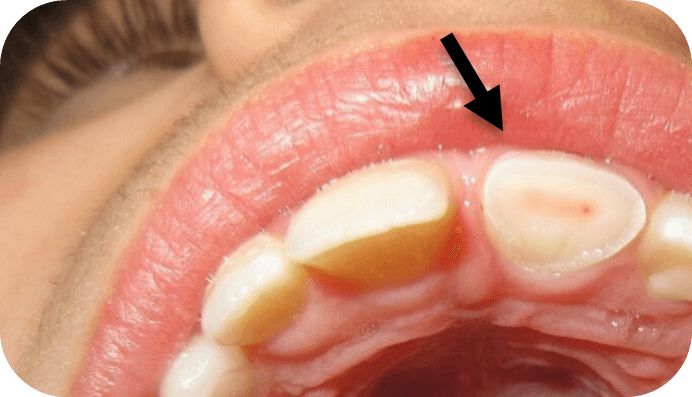
- Recent Trauma or Injury: temporary loss of response due to inflammation/reduced blood flow.
- Partial or Early Pulp Necrosis: part necrotic, part vital; response may be weak.
- Calcification or Narrowed Root Canals: prevents proper conduction → insufficient response.
- Anatomical Variations: complex anatomy may block stimulus reaching pulp.
- Age-Related Changes: pulp becomes less vascular/fibrotic → less responsive.
- Medications or Sedation: suppress patient response.
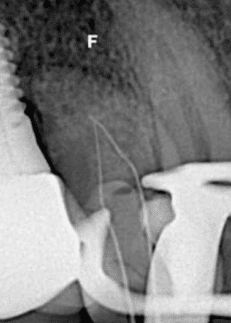
Causes of false positive results
- Recent Trauma or Injury: may cause hypersensitivity and prolonged response.
- Inflammation or Reversible Pulpitis: inflamed yet vital pulp may respond strongly.
- Adjacent Tooth Response: EPT current may affect nearby tooth → artificial response.
- Improper Technique: excessive heat/high current → exaggerated response.
- Young Teeth: immature/active pulp tissue may respond strongly.
Additional pulp testing techniques
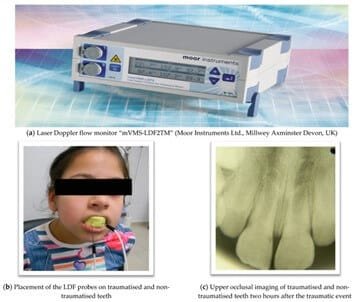
Laser Doppler Flowmetry
- Purpose: measures blood flow within the pulp for more precise vitality assessment.
- Procedure: laser directed at tooth; changes in blood flow recorded.
- Interpretation: low/absent flow → necrosis; normal flow → healthy pulp.
- Limitations: less commonly used due to complexity and cost.
Pulse Oximetry
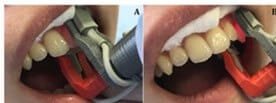
- Purpose: measures oxygen levels in the pulp to indicate tissue vitality.
- Procedure: sensor placed on tooth to measure oxygen saturation.
- Interpretation: low oxygen → necrosis; high oxygen → vital pulp.
- Limitations: affected by tooth condition and not widely used.
↑