lesson 1: History of Endodontics
Lesson 1: History of Endodontics
Endodontics did not appear suddenly—it developed slowly over many years.
Over time, dentists learned more about teeth, discovered better materials, and improved their treatment methods. Because of these improvements, endodontics became a special field in dentistry.
This lesson talks about the most important steps in that history.
Ancient Practices
Early Evidence of Dental Treatments
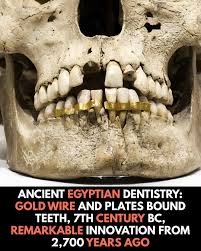
- Egypt (3000–1500 BCE): Evidence from mummies suggests early attempts to relieve pain; hollow reeds were primitive tools to drain or reduce infection-related discomfort.
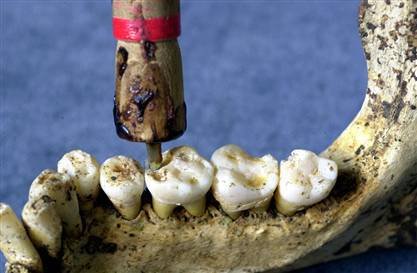
- Indus Valley Civilization (2600–1900 BCE): Findings show early dental interventions, including signs consistent with cavity treatment.
- Hippocrates (460–370 BCE): Linked toothache to internal inflammation, but did not yet understand pulpal disease.

Roman Contributions
- Celsus (1st century CE): Described methods for relieving tooth pain, often relying on tooth extraction.
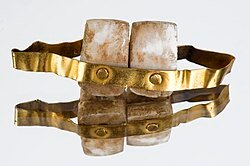
- Romans used gold wires to stabilize loose teeth, an early precursor to restorative concepts.
Medieval and Renaissance practices
During the Middle Ages, dental science progressed slowly, and definitions such as “tooth worms” being the cause of decay were widespread.
Early Islamic scholars, including Avicenna (980–1037 CE), supported a more scientific view by linking dental pain to inflammation.

In the Renaissance, Ambroise Paré (1510–1590) introduced approaches to treat dental pain and remove diseased pulp tissue.

18th and 19th Century Developments
Foundations of Modern Dentistry
- Pierre Fauchard (1728): Often called the “Father of Modern Dentistry”. His book Le Chirurgien Dentiste described early methods for cleaning and filling teeth.

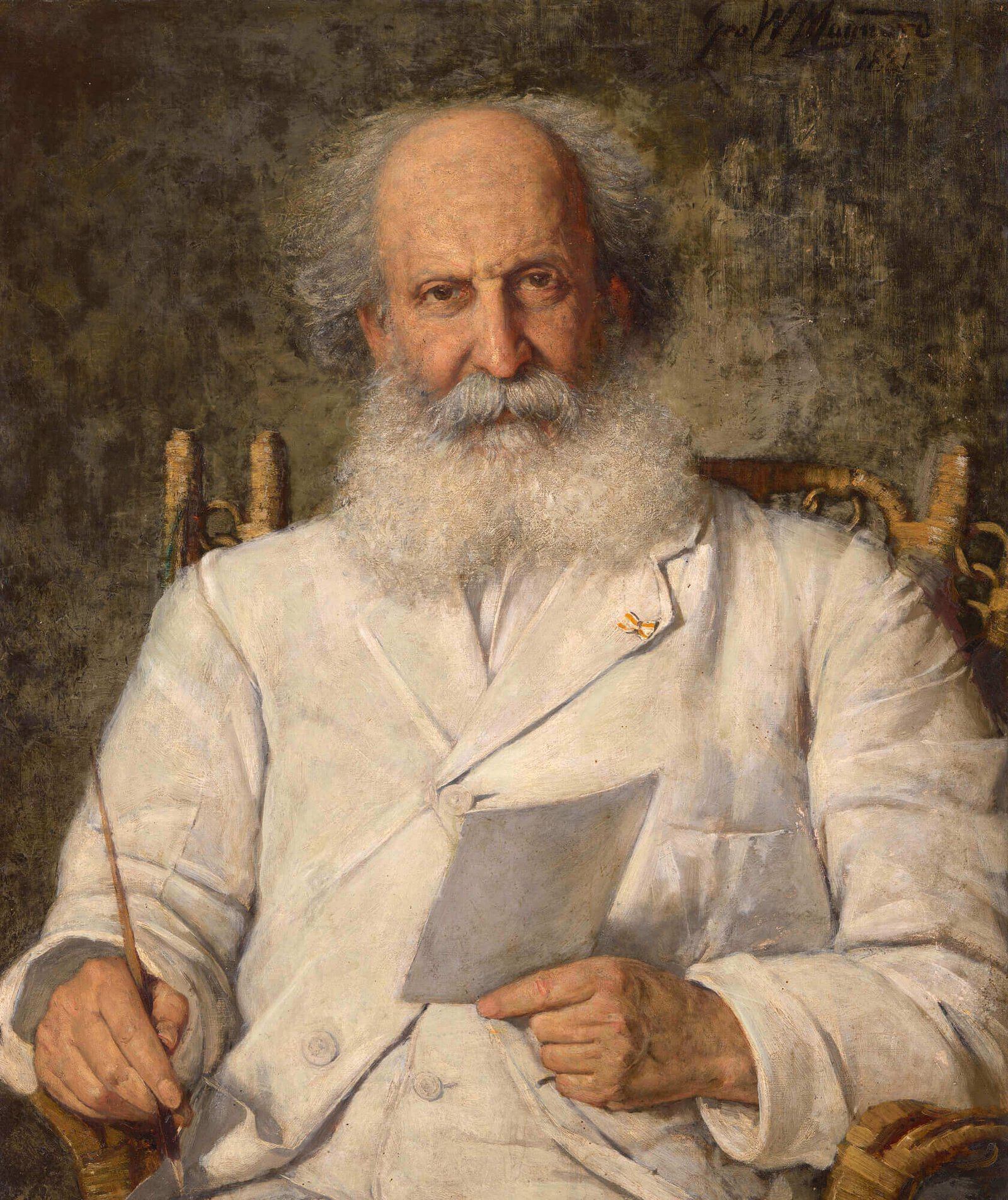
- Edwin Maynard (1838): Introduced watch springs as early root canal files.
Emergence as a Specialty (20th Century)
Scientific Advancements
- Irrigation: Sodium hypochlorite (Dakin’s solution; WWI era) became important for disinfection.
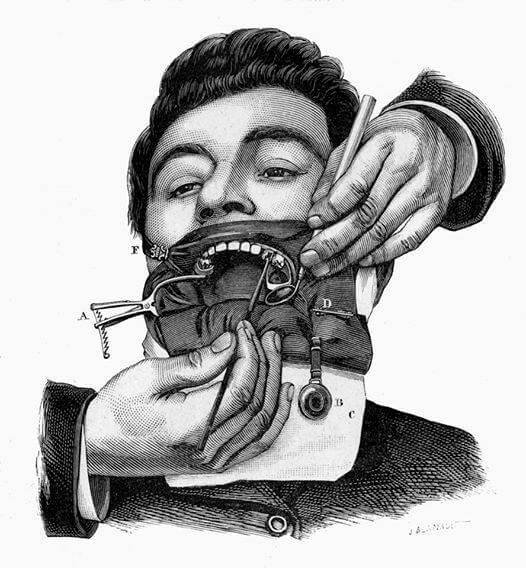
- Rubber Dam: Introduced in the mid-19th century by Sanford C. Barnum, improving isolation during treatment.
- Radiology: The use of X-rays in dentistry (early 1900s) improved diagnosis and treatment planning.
Rotary Instrumentation
- Stainless steel files became widely used in the 1950s–1960s.
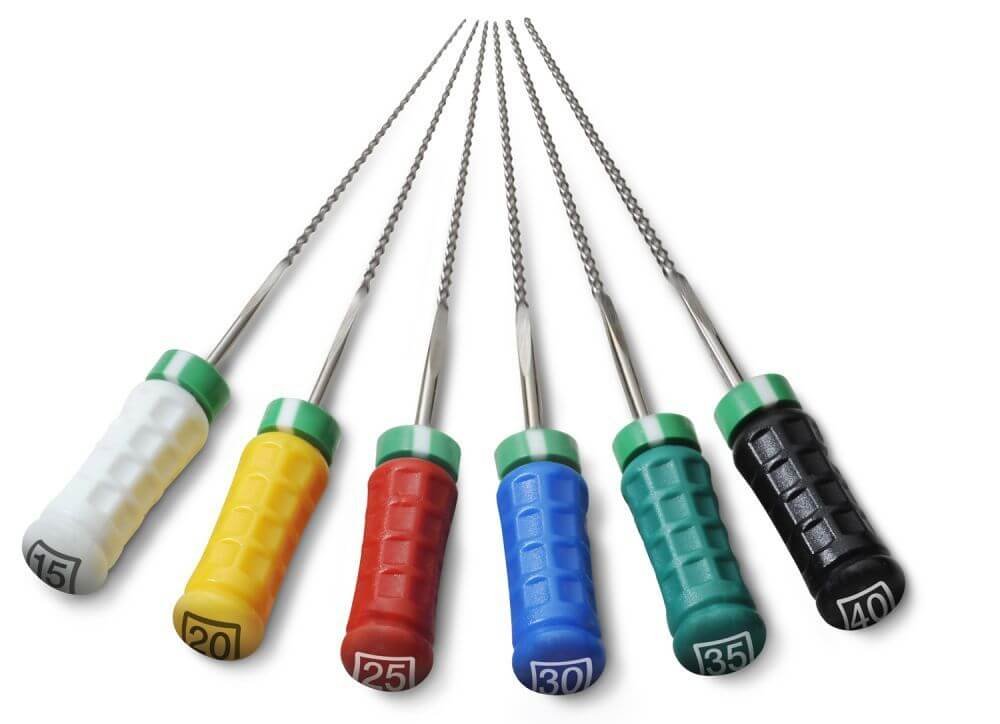
- Nickel-titanium (NiTi) rotary instruments (late 1980s) improved efficiency and reduced canal transportation due to greater flexibility.

The Modern Era (21st Century)
- CBCT Imaging: Cone-beam
computed tomography enables 3D assessment of complex anatomy. - Bioceramics: Materials like MTA and biodentine improved outcomes in repair and apexification procedures.
- Guided Endodontics: 3D-printed guides allow more accurate access in difficult cases.
- Regenerative Endodontics: Focuses on restoring the pulp–dentin complex using biologic principles.